Choosing the right water heater is a significant decision for homeowners. The options typically boil down to tankless and conventional water heaters, each offering distinct advantages and drawbacks. Understanding these differences can help you make an informed choice that aligns with your household's needs, lifestyle, and budget.
Overview of Water Heater Types
Conventional water heaters, often referred to as storage water heaters or tank water heaters, store a specific amount of hot water in a tank. They maintain a reserve of heated water so it's readily available when needed. These units are relatively simple in design and operation; they heat water using either electricity or gas and keep it heated until it is used.
Tankless water heaters, on the other hand, heat water on demand. Instead of storing hot water, they use powerful heating elements to warm the water as it flows through the unit. This means you have virtually unlimited hot water available whenever you need it, provided the unit can handle the flow rate required by your faucets or appliances.
Energy Efficiency
Energy efficiency is often a primary concern when selecting a water heater. Tankless systems tend to be more efficient than conventional ones because they only heat water when needed. According to various studies, tankless models can be 24% to 34% more efficient than their conventional counterparts for homes that consume around 41 gallons of hot water per day.
Conversely, conventional heaters continuously heat water in the tank regardless of usage, which can lead to higher energy bills due to standby heat loss—the energy wasted while keeping stored water hot. Many modern conventional systems feature improved insulation to minimize this loss; however, they generally cannot match the efficiency levels of tankless options.
Installation Considerations
Installation requirements differ significantly between these two types of systems. A conventional tank heater typically requires a dedicated residential rooter service space for installation along with proper ventilation if it's gas-powered. The size and weight can also pose challenges in smaller homes or apartments where space is limited.
In contrast, tankless units are compact and can be mounted on walls or installed in tighter spaces, making them ideal for homes where square footage is at a premium. However, installing a tankless system may require upgrading existing plumbing or electrical systems—especially if your home’s infrastructure cannot support the higher flow rates that these units may demand.
Hot Water Supply
One crucial aspect many homeowners overlook is how much hot water they actually need at peak times during the day. For households where multiple showers occur simultaneously or several appliances requiring hot water are used at once—such as washing machines and dishwashers—a conventional unit might struggle to keep up with demand since it relies on pre-stored heated water.
Tankless heaters provide an advantage here as they deliver continuous hot water without waiting for a tank to refill and reheat. However, this does come with caveats: if too many outlets call for hot water simultaneously beyond the unit's capacity (measured in gallons per minute), users may still experience lukewarm temperatures.
Lifespan and Maintenance
Both types of heaters have varying lifespans and maintenance needs that can affect long-term costs. Typically, conventional storage tanks last about 10 to 15 years before needing replacement due to corrosion or inefficiency issues stemming from sediment build-up in the tank over time.
On the other hand, tankless systems often have longer lifespans ranging from 20 to 25 years when maintained properly. Regular maintenance such as descaling every one to two years helps prevent mineral build-up that could hinder performance and longevity.
While both units require periodic checks—like flushing tanks or cleaning filters—the maintenance routine for a conventional model Homepage tends to be more involved due to sediment accumulation risks.
Cost Analysis
When evaluating cost factors associated with both types of heaters, initial purchase price plays an important role but must be weighed against installation costs and potential long-term savings from energy efficiency.
Conventional units typically range from $300 to $1,500 depending on size and features; installation costs can add another $500 or more based on local labor rates—this makes upfront expenses somewhat manageable for many homeowners.
Tankless models tend to have higher initial costs ranging from $800 to $3,000 plus installation fees which can also increase depending on modifications needed for plumbing or electrical upgrades. However, lower monthly utility bills resulting from their energy efficiency may offset these initial expenditures over time.
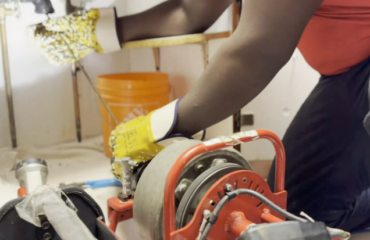
To illustrate this further: consider an average household that uses approximately 60 gallons of hot water daily—a well-maintained traditional heater might incur annual costs around $450 while a comparable tankless model could reduce those expenses by nearly one-third over its lifespan through consistent energy savings!
Environmental Impact
As eco-consciousness grows among consumers today’s choices increasingly consider environmental implications too! Tankless heaters often emerge as greener alternatives due primarily because they consume less energy overall thus reducing greenhouse gas emissions associated with their operation compared against standard models which contribute more significantly due standing losses during idle periods.
In urban areas such as Minneapolis where environmental regulations shape purchasing decisions among residents opting for sustainable solutions becomes all-the-more vital—not just financially but ethically too!
The decision between choosing a tankless versus conventional heater should reflect personal priorities including how much emphasis one places upon reducing carbon footprints alongside practical concerns like budget constraints!
Recommended Applications
Selecting between these two styles comes down largely towards understanding specific circumstances within individual households:
- Conventional Water Heaters: Better suited for larger families who prefer lower upfront costs without frequent high-demand usages. Tankless Water Heaters: Ideal candidates include smaller households or those looking seeking long-term investment returns through energy savings despite higher initial outlays!
Ultimately there is no definitive "better" option; rather what matters most lies within aligning preferences alongside real-world applications tailored uniquely towards each home’s unique needs!
Navigating through considerations surrounding choosing between tankless vs conventional systems proves critical since not only do they influence comfort levels but also financial commitments! Take time exploring options available while consulting professionals knowledgeable about local codes/regulations ensuring compliance throughout installations—be sure always prioritize safety above all else!